
Should I Get a Hearing Test After a Concert or Festival?
A summer evening at Oxford’s Summer Sunset Series can mean a few
By: admin | July 29, 2025
Walking into a hearing clinic for the first time can feel like entering unfamiliar territory. You might be unsure about what to expect, how long the process will take or what kind of questions you’ll be asked. Maybe you’ve been putting off this appointment for months, or perhaps a family member finally convinced you to get your hearing checked. Either way, it’s completely normal to feel a mix of curiosity and apprehension about what lies ahead. The good news is that audiologists are used to working with people who are new to this process, and they’re there to guide you through each step.
The process of getting hearing aids involves much more than just picking a device off the shelf. Your audiologist will work with you to understand your specific hearing needs, lifestyle and preferences before recommending any solutions. From the initial hearing test to selecting the right hearing aids and fine-tuning them to work best for your daily activities, each step is designed to give you the most effective treatment possible. While the process involves several appointments and adjustments, this thorough approach ensures that your hearing aids actually work well for your daily life and become a helpful part of your routine.
It is not always obvious when you need a hearing test, because changes in hearing can happen gradually. One common sign is finding it harder to follow conversations, especially in places with background noise like restaurants or busy family gatherings. You might notice yourself asking people to repeat what they said more often or feeling like others are mumbling. This can be frustrating for both you and the people you talk with, and it can make social interactions feel more tiring or confusing than they used to.
Another clue is turning up the volume on the TV or radio higher than others prefer. If family members or friends comment that the sound is too loud, it could be a sign that you are missing parts of what you want to hear. You might also struggle with phone conversations, missing words or having trouble recognizing voices without visual cues. These small challenges can add up over time, making it harder to stay connected and confident in daily communication.
Pay attention to physical signs, too. Straining to hear can lead to headaches, increased fatigue or even feeling stressed or anxious in social settings. You might avoid certain events or conversations because listening feels like too much work. If you notice these patterns, it is a good idea to schedule a hearing test. A professional evaluation can determine what is going on and give you clear options for managing any hearing changes so you can continue enjoying the interactions that are important to you.
When you visit an audiologist for the first time, the appointment usually begins with a conversation. You will be asked about your hearing concerns, medical background and any symptoms you have noticed. This may include questions about whether you have trouble hearing in noisy places, if you’ve experienced ringing in your ears or if you’ve had any dizziness or balance issues. The audiologist may also ask if others have commented on your hearing, since family and friends often notice changes before you do. Sharing this information builds a clear picture of your hearing health.
You’ll also be asked about your personal and family medical history. Some types of hearing loss can be hereditary, so understanding your family’s experience can provide valuable insight. The audiologist might also ask about any medications you are taking or previous exposure to loud noise through work or hobbies, since these can affect hearing over time.
After this conversation, the audiologist will perform a physical examination of your ears using a special lighted tool called an otoscope. This checks for visible issues, such as wax buildup, fluid behind the eardrum or any abnormalities in the ear canal or eardrum. Identifying any physical causes or conditions determines the most appropriate next steps. Once this part is complete, your audiologist will move on to hearing tests, which will be explained before they begin.
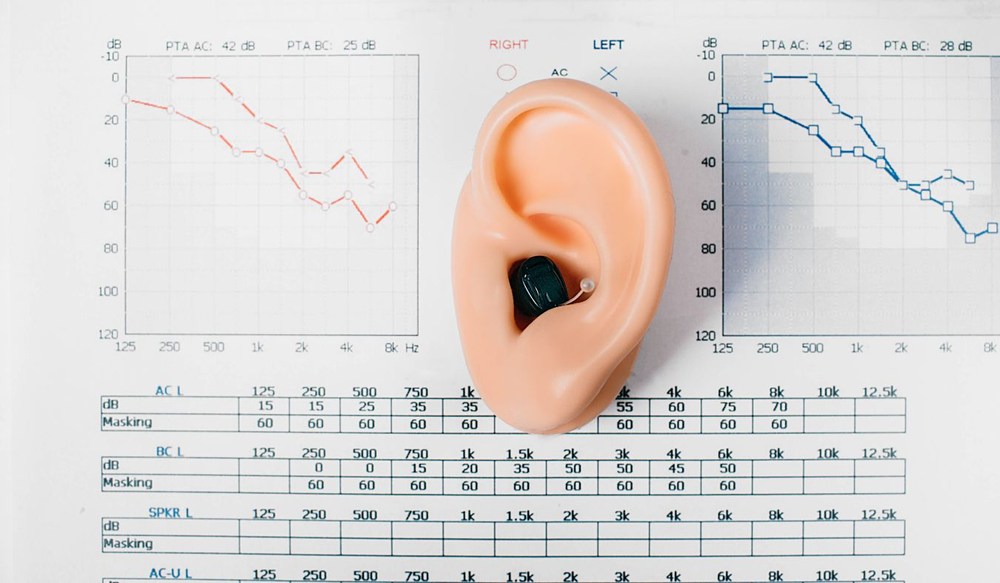
During your appointment, once the initial questions and physical exam are complete, your audiologist will guide you through a series of hearing tests. These tests measure how well you hear different sounds and understand speech in various situations. Each test is designed to give a detailed look at your hearing abilities so you can get clear answers about any challenges you may be facing.
After your hearing test, the results provide a detailed picture of how well you hear a range of sounds, including different pitches and speech clarity. This information allows our team understand the specific areas where your hearing may need support. Using these results, we can recommend hearing devices that are tailored to your unique hearing profile, ensuring they address the particular challenges you face in your everyday life.
We take into account your daily routines, environments and comfort preferences when suggesting features, sizes or styles of hearing aids. For example, if you spend a lot of time in noisy places, we might recommend devices with advanced noise reduction. If you prefer discreet options, there are smaller or more subtle designs available. If you have questions about which hearing aids will best suit your lifestyle, it’s important to ask during your appointment. Being actively involved in the decision helps you feel confident in your choice and makes sure you get the right support to improve your hearing experience.
Hearing aids are carefully programmed to match your unique hearing profile. After your hearing tests, your audiologist uses the results to create a customized setting that amplifies the sounds you have difficulty hearing while keeping other sounds comfortable and clear. This process involves adjusting volume levels across different frequencies so that speech and important noises come through naturally without being too loud or distorted.
The programming also takes into account your daily activities and listening environments. For example, if you spend a lot of time in noisy places, your hearing aids can be set to reduce background noise and focus on conversations. Many modern devices include features that automatically adapt to different settings, but your audiologist can fine-tune these programs based on your feedback. This personalized approach ensures that your hearing aids support you in the situations that matter most, helping you hear better throughout the day.
Getting used to new hearing aids can take some time as your brain adjusts to hearing sounds differently. When you first start wearing them, everyday noises may seem louder or more noticeable than before. This is a normal part of the process because your ears and brain are relearning how to interpret sounds that were previously missed or muffled. Some sounds might even feel strange or overwhelming at first, but with consistent use, most people find that their hearing becomes clearer and more natural over a few weeks. Patience is key during this adjustment period.
Adjustments to your hearing aids are common and important for providing the best listening experience. Your initial settings are based on your hearing test, but as you use your devices in real life, you might notice certain situations where sounds are too soft, too loud or unclear. Sharing this feedback with your audiologist allows them to fine-tune the programming to better fit your needs. Changes might include modifying volume levels, adjusting how the devices handle background noise or improving speech clarity. These ongoing tweaks help ensure your hearing aids work well across different environments and keep up with your lifestyle.
Remember that adapting to hearing aids is a gradual process, and it’s normal to have questions or need support along the way. Regular follow-up appointments with your audiologist provide the opportunity to review how things are going, make adjustments and discuss any concerns. Staying engaged in your hearing care helps you get the most out of your hearing aids and enjoy clearer, more comfortable hearing every day.
Regular hearing tests and timely adjustments to your devices help keep you connected to conversations and activities that matter. If you have noticed changes in how you hear or if it has been some time since your last checkup, consider scheduling an appointment.
Our team at Hearing Aid Consultants of North Mississippi is ready to support you, whether you need a routine test, device adjustment or have questions about hearing care. Contact our Oxford location at (662) 234-1337 for more information or to book your next visit. Your hearing is important, and we are here to help you keep it working its best.

A summer evening at Oxford’s Summer Sunset Series can mean a few
By: admin | August 24, 2026

Most people walk out of a hearing test with a general sense of how things
By: admin | May 18, 2026

Hearing tests can be confusing at first, with unfamiliar graphs, symbols
By: admin | March 25, 2026