
Should I Get a Hearing Test After a Concert or Festival?
A summer evening at Oxford’s Summer Sunset Series can mean a few
By: admin | August 24, 2026
A summer evening at Oxford’s Summer Sunset Series can mean a few hours of live music before you even notice how loud things got. If your ears are ringing on the drive home, or sounds seem muffled, keep an eye on how long that sticks around.
Most of the time it settles down once things quiet back down. If it doesn’t, that’s when it’s worth a closer look.
One loud night doesn’t mean you’ve done lasting damage to your hearing. But your ears still need time to recover after a concert or anything else that loud. Testing too soon can even throw off the results.
If the ringing or muffled feeling hangs on for a day or two, a professional hearing test can tell you what’s actually going on.
Concerts, stadium games and festivals are supposed to be loud. That energy is part of the experience. The problem is that your ears do not always give you much warning when the volume crosses into a range that starts causing stress.
Here is a quick look at how common sounds compare:
If your ears ring after a concert or everything sounds dull on the drive home, that is your hearing reacting to a lot of noise. Some people notice a high-pitched tone. Others describe buzzing, fullness or voices that suddenly sound farther away than usual.
Those changes happen because loud sound puts stress on the delicate structures inside the inner ear. For a while, the ear does not process sound as cleanly as it normally does. That is why speech, music and familiar background sounds might seem strange afterward.
Sometimes the ringing or muffled feeling fades after a quiet evening or a good night of sleep. If the change lasts into the next day, your ears may need more recovery time.
Your hearing has already had a lot to process by the time you leave a concert, festival or other noisy setting. Keep the radio low, hold off on headphones and choose quieter surroundings for the next several hours.
If ringing fades and sounds return to normal within a day or two, your hearing has likely settled back down. Ongoing muffled sound, distortion or ringing after 48 hours is different and deserves a closer look from an audiologist.
Timing matters before a hearing test too. Testing immediately after heavy noise exposure could make your results look temporarily worse than your usual hearing.
One loud concert might leave your ears feeling off for a while, but repeated exposure is a different story. The tiny hair cells inside your inner ear are sensitive to high sound levels. When those cells are damaged again and again, some of the changes become permanent.
The changes are usually subtle at first. Certain voices might sound less distinct, or conversations get harder to follow when there is a lot going on around you. You might start asking people to repeat themselves more often or notice the TV volume creeping up.
Unlike other parts of the body, damaged inner ear hair cells do not grow back. That is why protecting your hearing at concerts, festivals and other loud events matters before those changes become noticeable.
If you leave a concert with ringing or muffled hearing, give your ears a break from more noise. The first several hours afterward are not the time to turn up the car stereo or put in earbuds. A quieter stretch gives your hearing system a chance to settle.
A few simple steps can help after a loud event:
Outdoor festivals give you more room to move around, and that works in your favor. You do not have to stand right next to the speakers to enjoy the music. Moving farther from the stage lowers how much sound reaches your ears while still keeping you part of the crowd.
High-fidelity earplugs are another useful option for live music. They lower the overall volume while keeping vocals and instruments clearer than standard foam plugs often do. That makes them easier to wear for several hours at a time.
Long festival days also add up. Take breaks between sets, spend some time away from the loudest areas and avoid staying beside large speaker stacks for hours. Those small choices reduce how much noise your ears take in over the course of the day.
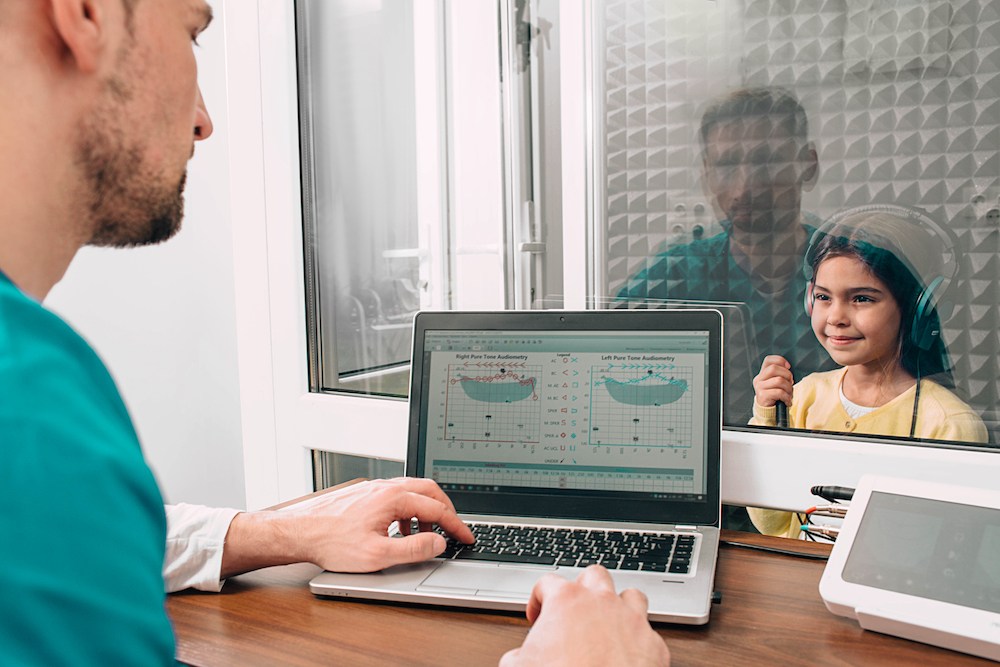
A hearing evaluation starts with a conversation, not a test booth. Your audiologist will ask what you have been noticing and when hearing feels most difficult. You might talk about conversations in restaurants, television volume, ringing in your ears or recent noise exposure.
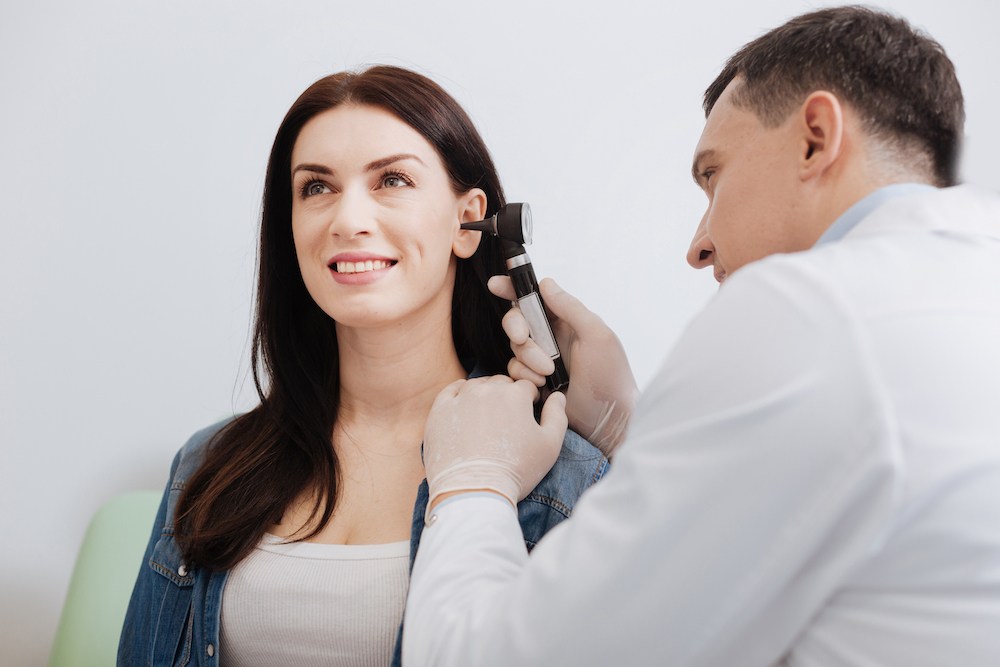
Your audiologist will also review relevant health history and any medications that could affect hearing. Then they will look inside your ears with an otoscope. This helps rule out earwax, irritation or another physical issue before testing begins.
The exact tests depend on your symptoms and hearing history. A typical appointment may include several of the following:
Once testing is finished, you will review the results together. Your audiologist will explain what the numbers mean, whether there are any changes worth watching and what the next step should be.
A baseline hearing test gives you something concrete to compare against later. Instead of wondering whether your hearing has changed, your audiologist has an earlier set of results showing where you started.
That becomes especially useful for people who regularly spend time around concerts, sporting events, machinery or other loud environments. Small changes are easier to identify when there is already a record on file. It also helps separate a new shift in hearing from something that has been there for years.
Baseline testing is not about expecting hearing loss. It is simply a way to keep better track of your hearing as life changes. Future evaluations become much more meaningful when there is an earlier result available for comparison.
Foam earplugs work, but a lot of music lovers hate what they do to the sound. Custom high-fidelity earplugs take a different approach, turning the volume down without making everything sound flat or muffled.
Your audiologist takes impressions of your ears first, so the finished plugs actually match your ear canals. That fit is what keeps them comfortable through a long show instead of something you’re constantly readjusting. No more digging one-size-fits-all plugs out of your ear every twenty minutes.
Many custom earplugs use interchangeable filters with different levels of sound reduction. That gives you more flexibility depending on where you are and how loud the environment is. For someone who attends live music regularly, the combination of fit, comfort and sound quality is often the biggest advantage.
Most ringing after a concert clears up on its own within a day or so. Hearing Aid Consultants of North Mississippi can help if yours is sticking around longer than that. We’ll check what’s actually going on and whether the noise did more than pass through.
If your ears haven’t settled since your last night out, don’t just wait it out indefinitely. A hearing test can give you a real answer instead of just guessing. Call (662) 234-1337 and we’ll get you in to check things out.
Tags: faqs, speech tests, tympanometry
A summer evening at Oxford’s Summer Sunset Series can mean a few
By: admin | August 24, 2026
Most people walk out of a hearing test with a general sense of how things
By: admin | May 18, 2026
Hearing tests can be confusing at first, with unfamiliar graphs, symbols
By: admin | March 25, 2026